Written by: Chloe Reines
Everyone has an opinion for everything, whether it be big or small. The attitudes and assumptions that we create for these ideas and objects come from our internal values and beliefs. The term that describes this is, ‘Frame of Reference’, the formal definition for this word follows, “a set of ideas, conditions, or assumptions that determine how something will be approached, perceived, or understood” (Merriam-Webster). This explains how people hold their own opinions and how those opinions can be changed based off of preconceived notions or even other people’s opinions.
Frame of Reference has a strong correlation with American music. From the people who write the songs, to the people who listen. These two topics relate because not everyone perceives messages in songs the same way. The composer of a song could have set feelings, or Frame of Reference about a certain topic or idea. A variety of people listen to the lyrics of the song and have different opinions based upon what they are going through or even if they are from a different generation/decade. Furthermore, each generation or era of music holds values and opinions from people going through positive or negative times in their lives.

30’s-40’s: The 30’s and 40’s was a time with a lot of controversies. A major one being racial discrimination. A song that really shows an image with the lyrics is “Strange Fruit” by Billie Holiday. This song put a spotlight on lynching, or the public hanging of African-American people for minor reasons. From my frame of reference, I completely disagree with the action of lynching. But everyone has their own opinions. Some lyrics that stood out to me about the topic of this song are, “Blood on the leaves and blood at the root Black bodies swinging in the southern breeze Strange fruit hanging from the poplar trees” (Billie Holiday, 1939).
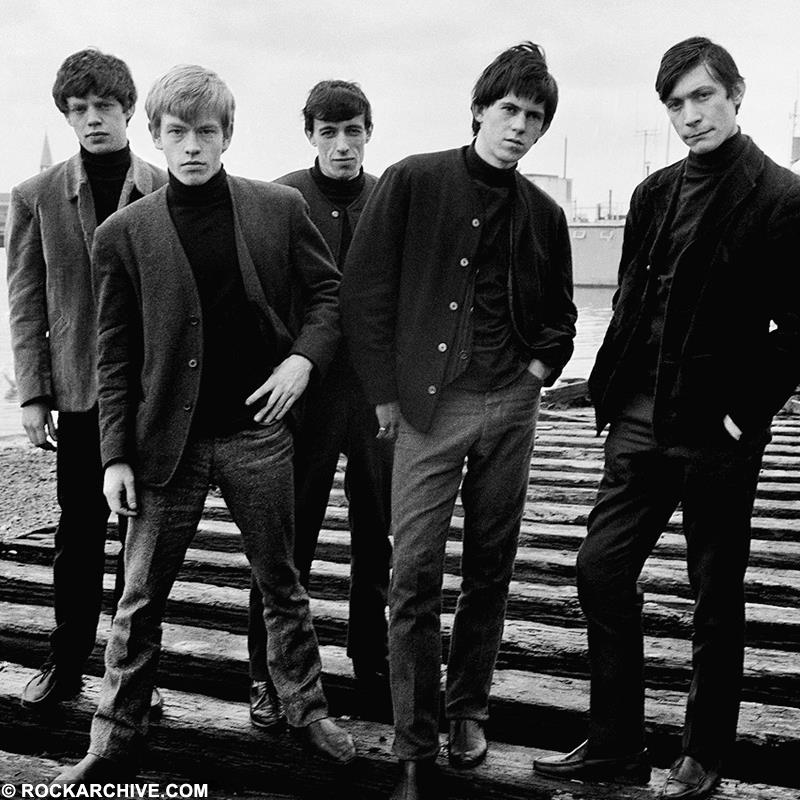
50’s-60’s: In the 50’s and 60’s music started changing a lot. An example of a song with a strong sense of frame of reference is, “Satisfaction” by the Rolling Stones. This song explains the bands view on society and how a lot of parts of it are artificial and controlling. Lyrics from this song showing their point of view is, “When I’m watchin’ my TV and a man comes on and tells me how white my shirts can be but, he can’t be a man ’cause he doesn’t smoke the same cigarettes as me.” (Rolling Stones, 1965).
70’s: An example to explain this is the song “American Pie” by Don McLean. When most people hear this song they think of good, happy times from the past, when in reality McLean is referencing the end of an era. Some lyrics that show this is “But I knew I was out of luck, the day the music died, I started singing, bye, bye Miss American Pie” (Don McLean, 1971). I believe that people from younger generations definitely feel different about this song rather than older generations because they didn’t experience, first-hand, some of the events sung about in this 70’s classic.

80’s: Moving forward to the 80’s or generation X, with stars such as Madonna and Michael Jackson, a lot of music was released. A song that brought forth a lot of opinions was “Buffalo Soldiers” by Bob Marley and The Wailers. This song was about the taking of African people from Africa to be slaves in America and how they are fighting for their lives while living here. An excerpt from the song is “Stolen from Africa, brought to America. Fighting on arrival, fighting for survival” (Bob Marley, 1983). This is an example of how race can play a difference in frame of reference based on songs.
90’s: In the grunge era of the 90’s, alternative and pop were very popular. One of the songs with a meaning that changed my frame of reference personally was, “Waterfalls” by TLC. I’ve always seen this song in chick-flick and romance movies, therefore, I thought to believe this song meant something about love. Come to tell, this song has a message discussing HIV and AIDS. An example from the song to support the true meaning is, “His health is fading and he doesn’t know why. Three letters took him to his final resting place” (TLC, 1994).
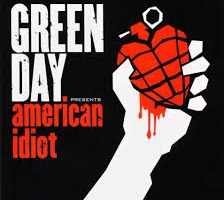
00’s: Going ahead another decade to the 2000’s people such as Lady Gaga and Kanye West took over the music scene. An example of a song that made people think was, “American Idiot” by Green Day. This song is an example of a political frame of reference because it explains how the person who wrote the song did not agree with George W. Bush and his ideas of being the president and how to run the country. This song could bring up different opinions because not everyone was involved in the Democratic party. A stand-out section from the song is “Don’t want to be an American idiot. One nation controlled by the media. Information age of hysteria. It’s calling out to idiot America.” (Green Day, 2004).
Comparing all these generations there is a lot of similarities and differences between them. In the earlier eras I feel as if a lot of songs were about love and positive times. Of course, there were some songs that highlighted the negatives as well.
As we move forward to the newer generations, the value of the songs seems to focus more on negative connotation. An example of this in our current music era is all the music that is put out in the rap and hip-hop industry. I’ve noticed a majority put a spotlight on the dehumanization of women and their values. This frame of reference changes between being a male or female in society. Another focus that I have picked up on in current music is a lot of gun violence and domestic abuse. For example, rapper, 6ix9ine, got arrested for robbery and illegal fire-arm charges. This is harmful to our society because this changes the values that impressionable, younger people have.
One current event example involves, a 49-year old, named Michael Dunn, and a 17-year old, Jordan Davis who was shot in front of a Florida convenient store, in November 2012. The conflict started when Davis and his friends got in a dispute with Dunn over their loud ‘aggressive’ music. In the testimony, Dunn explained how he feared his life as the music was aggressive and the teen supposedly threatened to kill him. The young boy was said to have pulled out a shot-gun so Dunn then open fired in self-defense toward the 17-year old, ultimately killing him. The other teens then drove away with Davis dead in the backseat. Leaving the evidence on the convenient stores tapes. This specific case shows that different generations have various frame of references based off of what kind of music is acceptable and appropriate.
The music industry has been shown to change over time depending on the community values that we hold close to ourselves. The generations we live in shapes our opinions and beliefs about music genres and how there may be conflicting messages dependent upon which generation one stems from. Frame of reference and American music go hand in hand when discussing the two.
Works Cited:
https://www.thisisinsider.com/misinterpreted-misunderstood-songs-lyrics-2018-11
https://en.wikipedia.org/wiki/Billie_Holiday
https://www.rockarchive.com/artists/r/rolling-stones-the\
https://en.wikipedia.org/wiki/Bob_Marley
https://www.amazon.com/American-Idiot-Green-Day/dp/B0002OERI0
 American Music and American Values and Beliefs